
Surviving Vietnam’s Supply Chain: The Brutal Reality of Organic Cosmetic Packaging
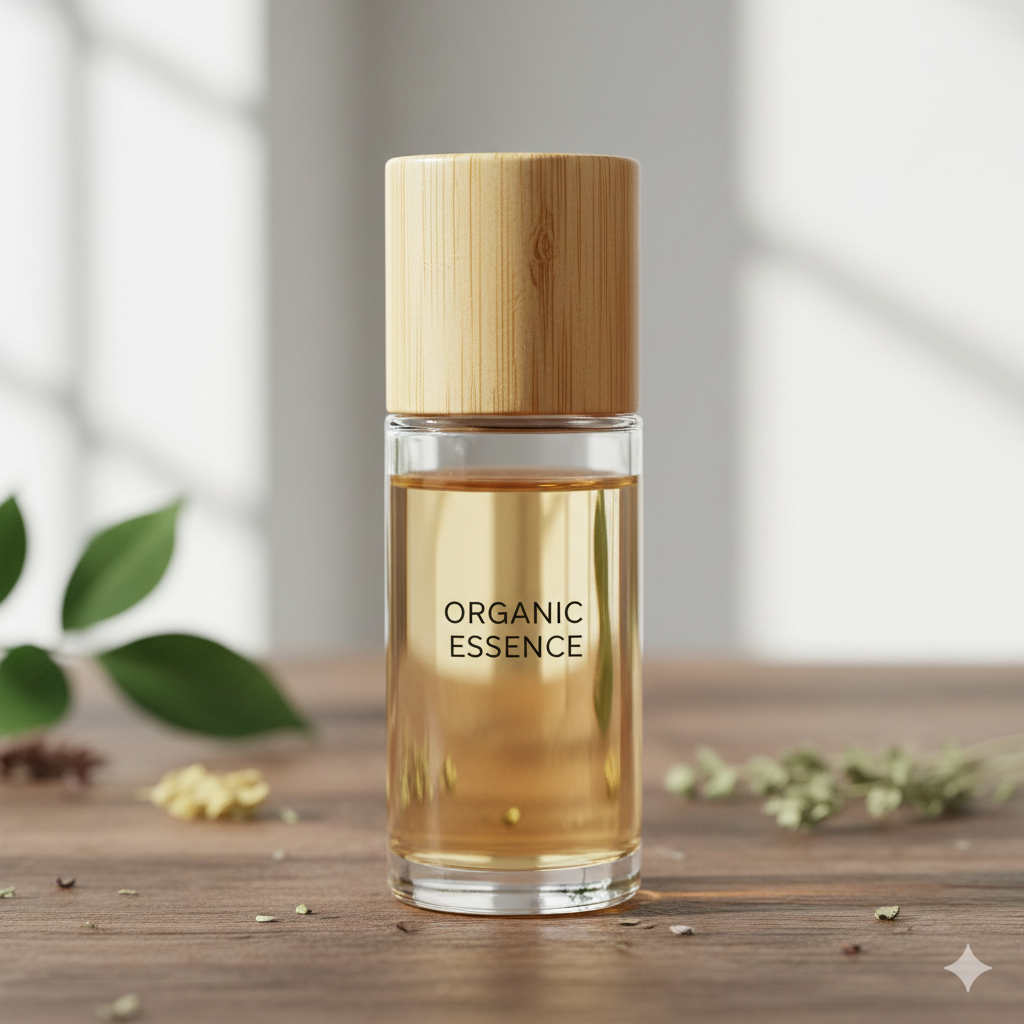
A pallet of premium organic Vitamin C serum arrives at a fulfillment center in Ho Chi Minh City. The brand proudly opted for 100% untreated bamboo caps and unlined sugarcane pulp boxes to align with their zero-waste marketing campaign. Within three weeks, the disaster unfolds. The unsealed bamboo absorbs the ambient 90% humidity. When consumers attempt to open the bottles, they are met with the squeaking resistance of a warped bamboo cap—the threading completely seized. Worse, the lack of an airtight seal allows oxygen to penetrate the primary vessel. The 15% organic ascorbic acid oxidizes rapidly, filling the warehouse with the sour smell of rapid oxidation.
This brand paid a 35% premium for ecological materials, only to play shelf-life roulette and lose.
For organic cosmetic founders and procurement engineers operating in Southeast Asia, specifying sustainable packaging is rarely about picking the most attractive eco-friendly material from a catalog. It is a hostile engineering environment. High moisture vapor transmission rates (MVTR)—often evaluated using rigorous ASTM E96 water vapor transmission protocols—aggressive organic solvent interactions, and fluctuating transit temperatures will destroy your formulation long before it reaches the consumer. Failing to adapt to these variables will harm your bottom line faster than any marketing misstep.

The Chemical Compatibility Crisis
Organic formulations are inherently unstable. They lack the synthetic parabens and robust chemical emulsifiers that allow mass-market cosmetics to sit in cheap plastic for five years. When you place highly concentrated, lipid-based organic serums into bioplastic (like PLA) or purely raw cellulose containers, you initiate an uncontrolled chemical reaction.
Many R&D engineers fall for the "sweaty jars" phenomenon. Pure essential oils—common in organic skincare—act as powerful solvents. When in prolonged contact with poorly formulated bioplastics or low-grade post-consumer recycled (PCR) resins, the oils degrade the polymer matrix. The packaging begins to weep, feeling sticky to the touch. This is not merely a cosmetic defect; it is a critical failure in Extractables and Leachables (E&L) compliance, a risk strictly monitored under USP analytical guidelines for pharmaceutical and cosmetic packaging. Toxic monomers from the degrading packaging migrate directly into your organic formulation.
While pure sugarcane bagasse is highly marketed, experienced engineers refuse to use it as primary packaging for liquid organic cosmetics without a barrier layer. To achieve the necessary chemical resistance, brands are often forced into a difficult compromise: using a minimal, recyclable glass or food-grade aluminum primary container, and shifting the entire burden of brand alignment, structural protection, and transit security onto the secondary packaging.
Shifting the Physical Load to Secondary Paper Architecture
Because you must often resort to heavy, fragile glass to protect the chemical integrity of the organic product, your secondary packaging must perform flawlessly under physical stress. This is where the structural engineering of paperboard becomes non-negotiable.
A common mistake in the Vietnamese market is sourcing cheap, lightweight recycled kraft paper to project an "earthy" aesthetic. The reality? Flimsy recycled board shreds easily under friction. The last thing a premium consumer wants is gritty paper dust clinging to a sterile dropper when they open a $60 facial oil. Furthermore, low-grade corrugated boxes crush under the weight of stacked glass pallets during cross-border transit.
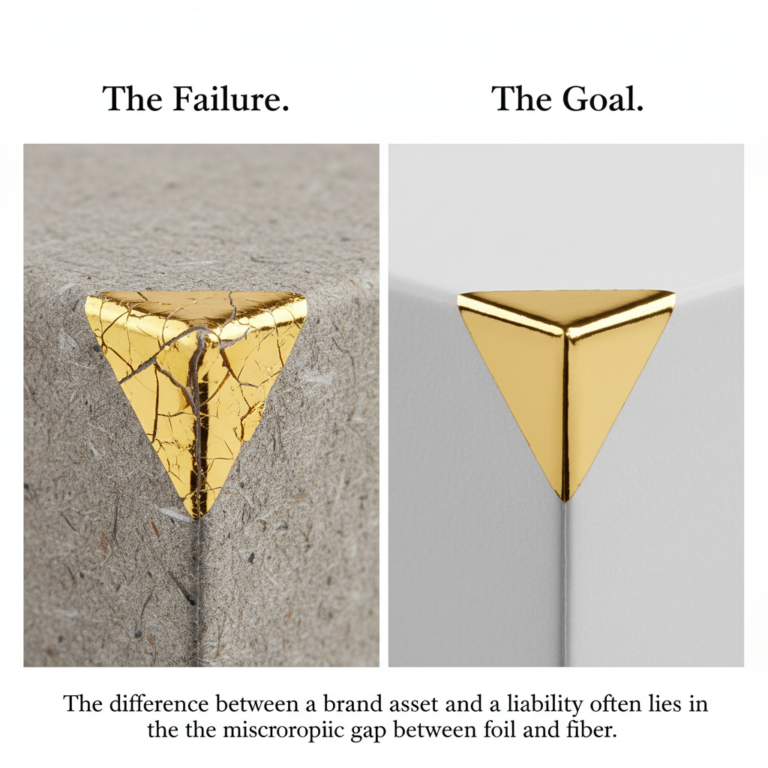
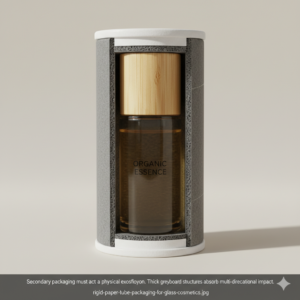
To prevent catastrophic return rates due to crushed corners and shattered primary vessels, smart procurement managers over-engineer the secondary layer. For cylindrical glass vials holding organic serums, specifying high-density structural solutions like custom tube packaging absorbs multi-directional transit shocks while maintaining a pristine, plastic-free unboxing experience. The rigidity of 1200gsm greyboard acts as a physical exoskeleton. It protects the fragile glass and provides a stable substrate for soy-based inks, ensuring that the brand's eco-friendly messaging remains legible after weeks in a humid shipping container.
The "Greenwashing Tax" and Manufacturing Tolerances
The most insidious trap in the eco-packaging sector is the hidden composite material. Suppliers know that raw bamboo or porous paper cannot hold liquid formulations. Their workaround is to quietly inject a Polypropylene (PP) plastic liner inside the bamboo shell or laminate a heavy layer of non-recyclable polyethylene (PE) onto the supposedly "compostable" paper box.
You end up paying the "greenwashing tax"—a premium price for a package that looks organic on the outside but is functionally impossible to recycle because the materials cannot be separated by standard municipal waste facilities.
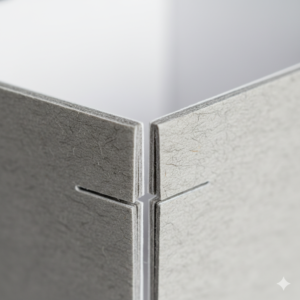
True sustainable packaging requires rigorous mechanical precision, not chemical shortcuts. Achieving structural integrity without relying on toxic, non-degradable chemical binders demands flawless execution on the factory floor. To prevent the migration of heavy metals and formaldehyde from cheap adhesives into organic supply chains, strictly auditing the supplier's production workflows and die-cutting tolerances is mandatory. Tight mechanical tolerances—down to the millimeter—allow paper structures to lock together through friction and geometry rather than relying on heavy glue applications. When components fit perfectly, the need for synthetic adhesives drops by 80%, keeping the secondary packaging genuinely aligned with organic standards.
The True Cost of Material Selection
Engineering a packaging solution requires mapping out the exact point of failure. The following matrix details the operational realities of popular "green" materials when deployed in high-humidity, high-temperature logistics networks.
| Material Strategy | Intended Ecological Benefit | The Engineering Reality (Risk Factor) | True Cost Profile |
|---|---|---|---|
| Raw Bamboo Caps (Unlined) | 100% biodegradable, highly renewable. | Critical Risk: Swells and warps at >75% humidity. Breaks seal, causing rapid product oxidation. | Low unit cost + 40% product spoilage rate. |
| PLA / Bioplastic Bottles | Made from corn starch, industrially compostable. | High Risk: Melts or deforms above 45°C (container ships). Vulnerable to lipid/oil solvent degradation. | 150% premium over PET + high transit thermal damage. |
| Thin Recycled Kraft Cartons | Promotes circular economy, low carbon footprint. | Moderate Risk: Generates paper dust. Collapses under vertical stacking weight of glass primary packaging. | Cheap procurement + high return rate from crushing. |
| 1200gsm Rigid Paperboard (Secondary) | Plastic-free rigid protection, highly recyclable. | Low Risk: High density resists moisture penetration temporarily. Requires precision die-cutting to eliminate heavy glues. | 20% higher unit cost + near-zero transit breakage. |
Forensic Q&A: The Brutal Truth About Eco-Packaging
Why do bioplastic (PLA) containers fail with oil-based organic serums?
PLA is a thermoplastic aliphatic polyester. While it resists water reasonably well, it possesses poor chemical resistance to non-polar solvents and concentrated essential oils. When an organic serum containing high lipid concentrations interacts with PLA at ambient temperatures exceeding 30°C, the lipids penetrate the polymer chains. This plasticizes the material from the inside out, causing a drop in tensile strength, weeping, and ultimately, chemical contamination of the organic product via extractables.
Where is the trap in "100% Bamboo" cosmetic jars?
The trap lies in the threads and the sealing mechanism. Bamboo expands and contracts drastically with moisture variations. You cannot machine a reliable, airtight screw thread directly into raw bamboo that will remain dimensionally stable in Vietnam's climate. To pass basic leak tests, suppliers secretly embed a threaded plastic (usually PP or ABS) inner shell. The brand markets "100% natural," but the consumer receives an inseparable composite of wood and fossil-fuel plastic that will sit in a landfill for 400 years.
What is the true lifespan of sugarcane bagasse secondary packaging in a non-climate-controlled Binh Duong warehouse?
Without specialized aqueous barrier coatings, untreated bagasse has an extremely high Moisture Vapor Transmission Rate (MVTR). In a warehouse sitting at 35°C and 85% humidity, raw bagasse will reach moisture equilibrium within 7 to 10 days. By day 14, the material loses 60% of its compressive strength. By day 45, stacks of secondary packaging will begin to buckle under their own weight. To survive the supply chain without plastic lamination, bagasse must be aggressively reinforced, or the brand must transition to denser, rigid structural board designs that resist moisture ingress through sheer material density.