
Festival Gift Sets for Southeast Asia: Tropical Style, Climate Adaptation & Local Aesthetics
Introduction: The Failure of Western Aesthetic Hegemony in Equatorial Contexts
For decades, the global packaging design industry has been dominated by Eurocentric design paradigms. The clinical minimalism of Scandinavian design, the heavy, gold-laden historical maximalism of Russian imperial styles, and the detached, high-cold luxury of French fashion houses have long been treated as universal benchmarks for premium products. However, when these design systems are imported directly into the festive gift markets of Southeast Asia (SEA), they frequently encounter immediate commercial and physical failure.
The Aesthetic Mismatch
| Design Dimension | Western Minimalist Paradigm | Southeast Asian Market Demand |
|---|---|---|
| Color Strategy | Low-saturation "Asylum Gray" & matte black | Warm, highly saturated community-oriented palette |
| Spatial Philosophy | Sterile negative space, isolating layouts | Symmetrical visual abundance signifying prosperity |
| Material Performance | Thin, structurally unprotected cellulose fibers | High-humidity structural integrity (climate-adapted) |
| Structural Design | Heavy, oversized pre-assembled rigid box construction | Lightweight, collapsible designs for optimized last-mile transit |
The reason for this mismatch is twofold: first, they ignore the unique optical and cultural semiotics of equatorial communities; second, they fail to account for the destructive physical realities of tropical maritime climates. A minimalist, low-saturation gray box that appears elegant in the soft, diffused light of a Parisian winter looks washed out, dusty, and emotionally sterile under the harsh, direct sun of Bangkok, Jakarta, or Manila [1]. Furthermore, a heavy, uncoated paperboard box engineered for dry European climates will absorb moisture, soften, and warp within days in the humid shipping ports of Singapore or Surabaya.
To capture the rapidly growing ASEAN gift-buying sector, cross-border designers, product planners, and material engineers must abandon the assumption that Western minimalism represents the pinnacle of sophistication. Instead, they must develop a highly localized, climate-adapted design language. By analyzing the physical behavior of color under equatorial light, the molecular response of cellulose under high humidity, and the semiotic expectations of regional consumers, we can construct packaging systems that project genuine premium value, withstand climate hazards, and minimize cross-border shipping costs.
1. The Physics and Semiotics of Equatorial Chromatics: High-Saturation Thermal Palette vs. Cold Western Minimalism
To understand why color choices succeed or fail in the Southeast Asian festive market, one must analyze the physical interaction between solar radiation and human visual perception, alongside the deeply ingrained cultural associations of the region.
The Optical Physics of Tropical Sunlight
In equatorial zones, the sun strikes the Earth at a near-vertical angle, resulting in exceptionally high lux levels and intense UV exposure. This direct, high-intensity light alters how colors are perceived. Low-saturation tones—such as "millennial pinks," "asylum grays," and cold, muted blues popular in Western minimalist design—lose their visual density under intense sunlight. They appear flat, faded, and cheapened.
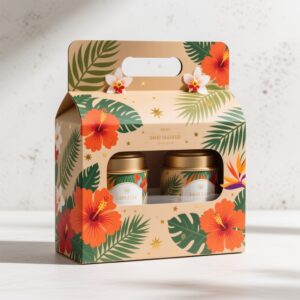
To maintain visual impact under these conditions, a design must employ high-density, highly saturated pigments. A palette consisting of turmeric yellow, orange-red, peacock blue, deep forest green, and terracotta brown is not merely a cultural preference; it is an optical necessity. These warm, saturated wavelengths cut through the harsh daylight glare, maintaining their depth, definition, and contrast.
Chromatic Performance under Harsh Equatorial Sunlight (6500K / High Lux)
| Aesthetic Paradigm | Visual Reaction to Sunlight | Commercial & Psychological Outcome |
|---|---|---|
| Low-Saturation Cold Tones (Western Minimalist) |
Severe optical wash-out; edge-contrast degradation; colors appear dusty or faded. | Loss of perceived value; the package appears neglected or emotionally sterile. |
| High-Saturation Warm Tones (Equatorial Tropical) |
High optical density; sharp boundary definition; colors cut through equatorial light glare. | Enhanced premium energy; rapid on-shelf visual capture; signals warmth and festive joy. |
This optical requirement is confirmed when rendering color schemes conforming to the high-UV, high-lux daylight models established by the International Commission on Illumination (CIE), which indicate that high ambient light demands a corresponding increase in chromatic saturation to preserve edge-contrast and figure-ground separation.
The Semiotic Codes of Thermal Hues
Colors are never neutral; they carry complex historical and emotional narratives. In Southeast Asia, a region shaped by agricultural rhythms, tropical biodiversity, and a fusion of Buddhist, Islamic, Hindu, and Christian traditions, warm saturated colors carry positive emotional connotations:
- Turmeric Yellow & Terracotta Brown: These represent the sacred earth, harvest abundance, spiritual enlightenment, and royal heritage (such as the royal courts of Thailand and Java). They evoke a sense of grounding, history, and organic authenticity.
- Orange-Red: A cross-cultural symbol of vitality, warmth, luck, and festive celebration, particularly resonant in communities with Chinese diaspora influences, yet equally valued in indigenous textiles.
- Peacock Blue & Deep Forest Green: These colors represent the lush botanical environment and regional water systems. In Islamic communities (predominant in Indonesia and Malaysia), green carries deep spiritual value, representing paradise and life.
Conversely, cold grays, deep blues, and large expanses of solid black are semiotically problematic in regional festive contexts. To the local consumer, these colors are associated with isolation, austerity, drought, and mourning.
Defensive Contrast: The Premium Effect in Festive Scenarios
Consider a high-end mid-autumn or end-of-year corporate gift box. A Western-style minimalist box utilizing a matte black finish with cold silver embossing risks being perceived as cold, unlucky, or stingy in a communal, family-oriented gifting environment.
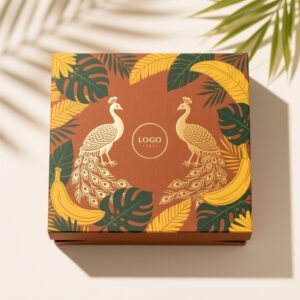
By contrast, a box using a rich terracotta brown background, framed by a vibrant turmeric yellow border and highlighted with localized gold foil, projects warmth, generosity, and respect. It stands out on a crowded display table under warm retail lighting, whereas a cold blue or gray box fades into the background, appearing uninviting and detached.
2. Materiality & Climate Adaptation: Solving the Moisture & Heat Paradox
The physical degradation of packaging material is one of the most significant failure points for cross-border brands exporting to Southeast Asia. A beautiful design is completely undermined if the physical box arrives warped, softened, or covered in mold.
The Cellulosic Crisis in High-Humidity Climates
Unprotected paper fibers are highly hygroscopic; they naturally absorb water molecules from the surrounding air. In regions like Malaysia, Indonesia, and Vietnam, relative humidity (RH) routinely ranges from 80% to 95%, with temperatures consistently exceeding 30°C.
According to the ISO 287:2017 moisture testing standards, paperboard rapidly equilibrates with high atmospheric humidity, resulting in a dramatic drop in mechanical stiffness [2]. When standard paperboard is exposed to these equatorial conditions, it experiences the following chemical and physical degradation:
Cellulosic Degradation Pathway in Tropical Environments
| Phase | Environmental Stage | Micro-Level Chemical Mechanism | Macro-Level Structural Failure |
|---|---|---|---|
| 01 | Atmospheric Exposure | Unprotected exposure to high ambient humidity (80%–95% RH) and elevated ambient temperatures in cargo holds or regional transit. | Thermal and moisture stress initiated on raw packaging surfaces. |
| 02 | Cellulose Absorption | Water molecules bind directly to free hydroxyl ($-\text{OH}$) groups within the paperboard's porous cellulose structure. | Micro-expansion of individual paper fibers; surface tension changes. |
| 03 | Bond Dissociation | Internal hydrogen bonds within and between cellulose chains break, relaxing the consolidated fiber networks. | Catastrophic drop in the material's elastic modulus and bending stiffness. |
| 04 | Structural Collapse | High moisture retention initiates irreversible delamination, adhesive softening, and rapid micro-fungal (mold) colonization. | Box sagging, collapse of stacked cartons under vertical load, and mold-stained surfaces. |
Material Alternatives: Kraft Paper, Faux Rattan, and Climate Coatings
To survive these environmental challenges, packaging engineers must move away from standard, uncoated art papers and delicate, high-gloss plastic lamination (which traps moisture and peels). Instead, they should utilize:
- High-Tensile Virgin Kraft Paper: Kraft paper preserves its long cellulose fibers, providing superior structural strength and natural moisture resistance compared to recycled white paperboards.
- Thick Textured Paper & Faux Rattan Weaving: Textured, open-pore papers can handle minor moisture changes without showing visible bubbling or wrinkling. Faux rattan weaving patterns—applied through debossing on dense, moisture-treated board—offer the warm, nostalgic, and premium look of traditional hand-weaving without the risks of insect damage or mold associated with raw, untreated rattan.
- Eco-Friendly Water-Based Coatings: Rather than using heavy plastic films that make packaging non-recyclable, modern packaging utilizes advanced water-based, moisture-barrier varnishes. These seal the fibers from moisture while keeping the packaging highly recyclable.
To achieve this level of climate resilience, brands must rely on advanced manufacturing steps. Applying specialized moisture-resistant surface treatments to the packaging guarantees that the gift box retains its structural integrity and premium feel from the factory floor through sea transit, and onto the consumer's table.
Low-Light and High-Wear Performance
In real-world retail and home environments in Southeast Asia, gift sets are often displayed in open-air markets, family living rooms, or air-conditioned retail spaces with fluctuating temperatures. This temperature variance causes condensation.
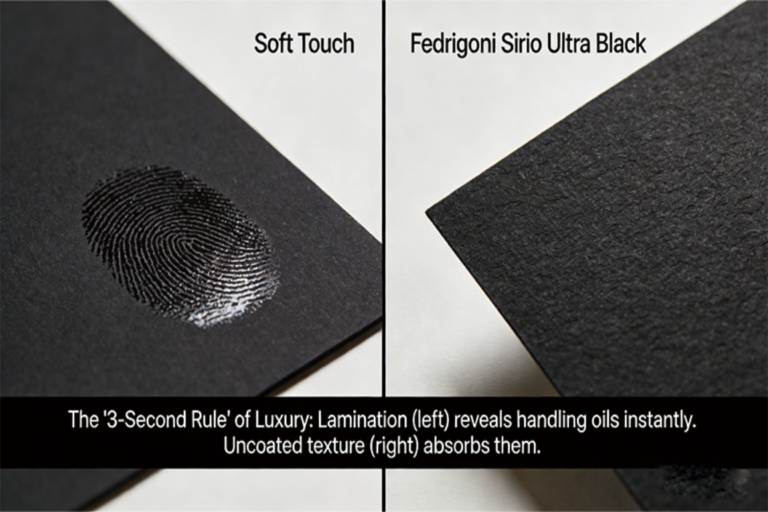
Furthermore, during festive seasons, gift boxes are frequently handled, stacked, and transported by hand. Packaging made of delicate, matte-black coated paper shows scuffs, fingerprint oils, and scratches almost immediately.
Using textured kraft paper or faux-rattan surfaces, combined with high-durability water-based inks, conceals these micro-abrasions. The natural variations in the texture mask wear-and-tear, ensuring the gift set continues to look pristine even after extensive handling.
3. Structural Engineering: Balancing Volumetric Generosity and Last-Mile Logistics Costs
In the Southeast Asian e-commerce and retail landscape, physical volume and shipping weight are critical economic factors. The region's geography—characterized by archipelagic countries like Indonesia and the Philippines, and rapidly growing but congested urban hubs like Jakarta, Manila, and Bangkok—makes last-mile shipping expensive.
Cross-Border Logistics and Material Performance Equation
| Packaging Construction | Logistical & Structural Variables | Commercial & Financial Impact |
|---|---|---|
| Heavy, Thick-Walled Rigid Box (European Luxury Model) |
High volumetric weight ($Length \times Width \times Height / 5000$); rigid panels prone to moisture absorption and subsequent sagging. | Premium air/sea freight volumetric surcharges; high damage-on-arrival rates; expensive disposal. |
| Lightweight, Collapsible Structure (Optimized Tropical Model) |
Low physical weight; flat-packed inbound transport; high structural stiffness achieved via smart geometric tension. | Drastically reduced last-mile delivery fees; minimal warehouse footprint; zero moisture warping. |
The Problem with Heavy, Thick-Walled Structures
Traditional Western luxury packaging relies on heavy, thick-walled greyboard boxes (often 2mm to 3mm thick) covered in heavy laminated art paper. While this construction feels solid in dry, temperate climates, it presents major challenges in Southeast Asia:
- Volumetric Pricing Penalties: Cross-border air freight and regional couriers calculate shipping costs based on volumetric weight ($Length \times Width \times Height / 5000$). Heavy, rigid boxes increase these costs, making the final product less competitive for local buyers.
- Structural Vulnerability in Humidity: Thicker greyboard holds more moisture. As it absorbs water from the air, it becomes heavy and soft, making it prone to collapsing when stacked in hot, un-airconditioned logistics warehouses.
Lightweight Structural Solutions
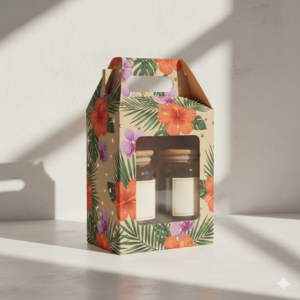
To balance the consumer's desire for a large, impressive-looking gift with the need for low shipping costs, designers should focus on clever structural gift box configurations. These structural designs maximize visual volume while minimizing physical weight:
- Lightweight Lid-and-Base Boxes (天地盖): By using thinner, high-density, moisture-treated folding boxboard instead of thick greyboard, designers can reduce the box's weight by up to 40% while maintaining excellent vertical stacking strength.
- Collapsible Magnetic Flap Boxes: These boxes ship flat to regional warehouses, saving up to 70% in inbound shipping space, and are assembled only when ready for local delivery.
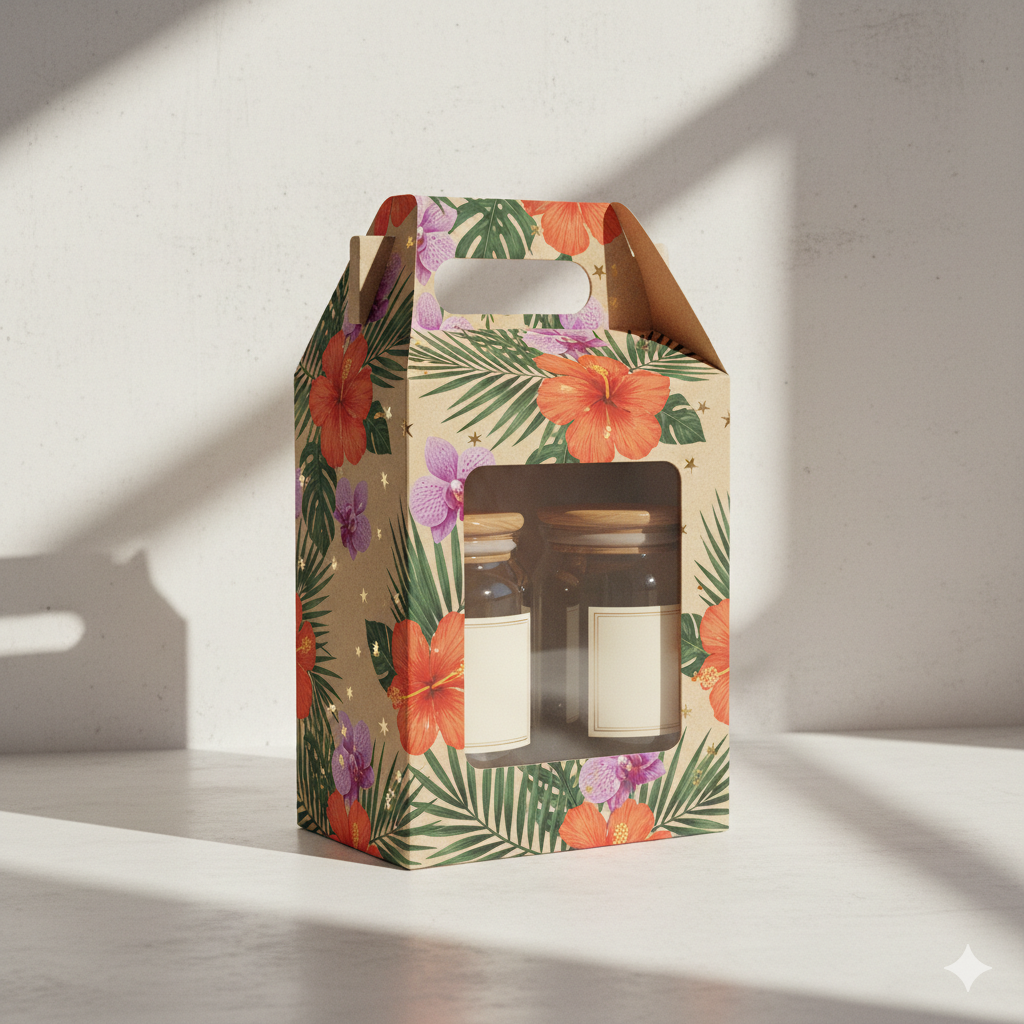
- Window-Cut Carrier Boxes (开窗手提盒): These designs integrate a carrying handle directly into the box structure. This eliminates the need for a separate plastic or paper shopping bag, cutting down on packaging material costs and aligning with environmental bans on single-use plastics in major Southeast Asian cities.
Transit Volumetric Efficiency
| Transit State | Shipping Volume Occupied | Packing Density (Per Standard Container) |
|---|---|---|
| Pre-Assembled Rigid Boxes | 100% Volumetric footprint (essentially shipping empty air) | Extremely low density; maximum 4-5 finished gift units per vertical stack. |
| Collapsible / Flat-Packed Boxes | 25% to 30% Volumetric footprint (completely flat) | Exceptionally high density; up to 20 flat units stacked in the same volume. |
Defensive Contrast: Why Heavy Packaging Fails the Local Market
An importer using heavy, European-style wooden or thick rigid composite boxes for a tropical food set (e.g., bird's nest, tropical fruit preserves, or local teas) will face high shipping costs that inflate the final retail price. Because the packaging is so expensive to produce and ship, the brand is often forced to reduce the quantity or quality of the actual products inside to keep the price affordable.
Conversely, using a lightweight, structurally optimized folding box with cut-out details and integrated handles keeps shipping costs low. This allows the brand to spend more of its budget on high-quality ingredients or products, providing better overall value to the consumer while delivering an elegant, functional unboxing experience.
4. Decolonizing Graphic Layouts: Embracing Local Aesthetics and Community Festivity
Many designers mistakenly believe that to make a product look "premium" in Southeast Asia, they must copy the minimalist, high-contrast layouts of Western brands—such as using a small, centered serif font on a large background of empty space. However, this minimalist approach often misses the mark with local consumers during festive seasons.
The Semiotics of Visual Space
| Graphic Layout Strategy | Semiotic Association in Southeast Asia | Cultural Resonance & Festive Impact |
|---|---|---|
| Western Minimalist Layout (Sparse elements, wide blank negative space) |
Associated with emptiness, scarcity, and a lack of effort or care. | Low resonance; feels cold, sterile, and ungenerous during warm community celebrations. |
| Symmetrical Tropical Layout (Intricate botanical borders, framed layouts) |
Associated with cosmic balance, natural abundance, and sincere respect. | High resonance; communicates generosity, celebration, and festive warmth. |
The Semiotics of "Symmetrical Abundance"
In Southeast Asian visual traditions, empty space on a gift package is not viewed as sophisticated; instead, it can be interpreted as a lack of effort, incomplete preparation, or stinginess. Festive gift-giving is a communal act of sharing prosperity. The packaging must visually reflect this generosity.
- Symmetrical Framing and Borders: Symmetrical compositions, inspired by regional architecture and traditional textiles (like Malaysian and Indonesian Batik, or Thai Lai Thai patterns), represent cosmic balance, harmony, and order. Framing the box with elaborate borders tells the recipient that the gift is valuable, formal, and selected with care.
- Organic, Rounded Typography: Sharp, geometric, ultra-thin sans-serif fonts look cold and technical. In contrast, rounded, softer, and more hand-drawn typographic styles feel warmer, friendlier, and more accessible. They evoke the organic shapes of local flora and traditional woodcarvings, making the brand feel more approachable and authentic.
Decolonizing Festive Icons
During global holidays like Christmas, many cross-border brands default to standard Western imagery: pine trees, snow, reindeer, and holly leaves. In a region where Christmas is celebrated in temperatures of 32°C alongside tropical rain, these cold-weather symbols feel disconnected from local life.
Decolonizing Holiday Iconography
| Holiday Design System | Western Template (Imported) | Tropical Adaptation (Decolonized) |
|---|---|---|
| Botanical Motifs | Pine cones, holly leaves, spruce/fir needles | Stylized palm fronds, banana leaves, hibiscus petals |
| Fauna Elements | Reindeer, European robins, white polar bears | Stylized peacocks, Asian elephants, birds of paradise |
| Atmospheric Cues | Snowflakes, frost patterns, icicles, winter mist | Sunlight reflections, warm gold foil, water-beaded textures |
A more effective approach is to adapt traditional holiday symbols using local tropical elements. For example, designers can replace pine needles with stylized palm leaves, or use tropical flowers like hibiscus, plumeria, and orchid petals to recreate classic festive patterns.
By replacing cold-weather imagery with local flora and fauna—such as elephants in Thai-themed sets, or peacocks and birds of paradise in Indonesian and Malaysian-themed packaging—brands can create a strong emotional connection with regional buyers. This demonstrates a genuine respect for their environment and traditions [1].
To implement these cultural and technical details successfully, brands need to work with experienced manufacturing partners. Partnering with a dedicated sustainable packaging development team allows cross-border selection specialists to translate local artistic traditions into high-quality, mass-producible packaging that meets international quality standards.
Conclusion: Engineering the Future of Tropical Festive Packaging
Designing successful festival gift sets for Southeast Asia requires finding the right balance between cultural relevance, environmental durability, and shipping efficiency. Brands must look past the trend of Western minimalism, which often fails both culturally and structurally in equatorial environments.
By adopting a vibrant, warm-toned color palette that stands out in bright tropical sunlight, using moisture-resistant materials and coatings that protect against high humidity [2], and designing lightweight, space-saving structures, brands can create packaging that truly resonates with ASEAN consumers. This thoughtful approach not only reduces cross-border shipping costs and damage rates, but also demonstrates a deep respect for the cultural values of the region—turning a simple gift box into a powerful symbol of shared prosperity, celebration, and connection.
SOQ 1: Climate-Resilient Material Engineering
- Core Capability: Engineering packaging materials specifically adapted to withstand the high-temperature, high-humidity (80%–95% RH) maritime climates of equatorial Southeast Asia.
- Technical Benchmarks: Operating strictly under the moisture testing parameters of ISO 287:2017, we systematically avoid standard plastic lamination. Instead, we utilize high-tensile, long-fiber virgin kraft boards combined with eco-friendly moisture-resistant surface treatments and water-based barrier coatings.
- Commercial Value: Eliminates common tropical packaging failures such as panel warping, adhesive softening, film bubbling, and micro-fungal (mold) colonization during maritime transit and un-airconditioned warehousing.
SOQ 2: Volumetric Logistics & Structural Optimization
- Core Capability: Structural optimization of custom gift boxes to minimize volumetric shipping costs and spatial overhead across archipelagic and congested urban distribution networks.
- Technical Benchmarks: Utilizing advanced structural packaging engineering to design structural gift box configurations—including thin-walled lid-and-base boxes and flat-folding magnetic structures—that reduce inbound volumetric footprint by up to 70% while maintaining high vertical stack compression stiffness.
- Commercial Value: Lowers cross-border air/sea freight and last-mile courier fees by eliminating the shipment of "empty air," allowing brands to reallocate budget toward high-quality product contents.
SOQ 3: Culturally Congruent Visual Semiotics & Aesthetic Design
- Core Capability: Deep alignment of graphic layouts and color palettes with the diverse ethnic, religious, and festive semiotics of local ASEAN consumer segments.
- Technical Benchmarks: Managed by our dedicated sustainable packaging development team, we replace cold, alienating Western minimalism with high-saturation thermal palettes (such as turmeric yellow, peacock blue, and terracotta brown) that maintain visual density under intense equatorial daylight. We incorporate symmetrical, frame-bordered layouts featuring decolonized tropicalized Christmas and cultural symbols (such as peacocks, elephants, and tropical flora).
- Commercial Value: Triggers immediate regional psychological resonance of prosperity and generosity, maximizing shelf-appeal and consumer trust during key collective gifting seasons.