
The Masstige Illusion: Surviving the Heat and Transit of Vietnam's Cosmetic Market
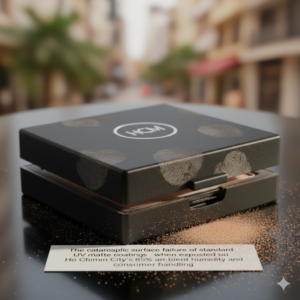
It happens every quarter. A European beauty conglomerate airfreights their flagship matte-black eyeshadow palettes into Ho Chi Minh City. By week three, social media is flooded with negative reviews. It isn’t the pigmentation failing them. It’s the chalky, degraded residue of cheap soft-touch lamination reacting with 85% ambient humidity, leaving permanent, greasy fingerprint smears across the primary container. Worse, the snap-fit closures, engineered for temperate European climates, warp just enough to pop open inside a sweltering scooter under-seat storage compartment.
The result is pulverized highlighter dusting the inside of a designer bag. A complete brand equity collapse over a $0.40 plastic component.
This is the reality of the Vietnamese cosmetics market. Western and even established pan-Asian brands consistently copy-paste their global aesthetic into this hyper-specific environment, bleeding margin and consumer trust in the process. Winning the Vietnamese beauty consumer—a demographic highly educated in K-beauty trends but constrained by local purchasing power—requires brutal engineering pragmatism. You cannot simply downgrade your materials to hit a price point. You must engineer specifically for extreme humidity, high-mobility urban transit, and the unforgiving lens of social commerce.
The 'Masstige' Illusion and the Localization Trap
Brands falsely assume the Vietnamese youth market will blindly pay a premium for complex, globally standardized packaging just because it looks good on Instagram. The engineering reality dictates otherwise, as these expectations often clash with strict ISO 22715:2006 cosmetic packaging guidelines regarding barrier properties and functional stability. Vietnamese consumers, particularly in urban centers like Hanoi and Ho Chi Minh City, demand the visual and tactile cues of luxury—clean lines, crisp typography, and satisfying closure mechanisms—but at mass-market price points. This is the 'masstige' (mass-prestige) paradox.
When regional marketing directors push for overly aggressive bespoke tooling to stand out on retail shelves, they ignore the unit economics of the local supply chain. Custom injection molds for irregular, asymmetrical compacts instantly balloon manufacturing costs and extend lead times well beyond the typical 12-week TikTok trend cycle.
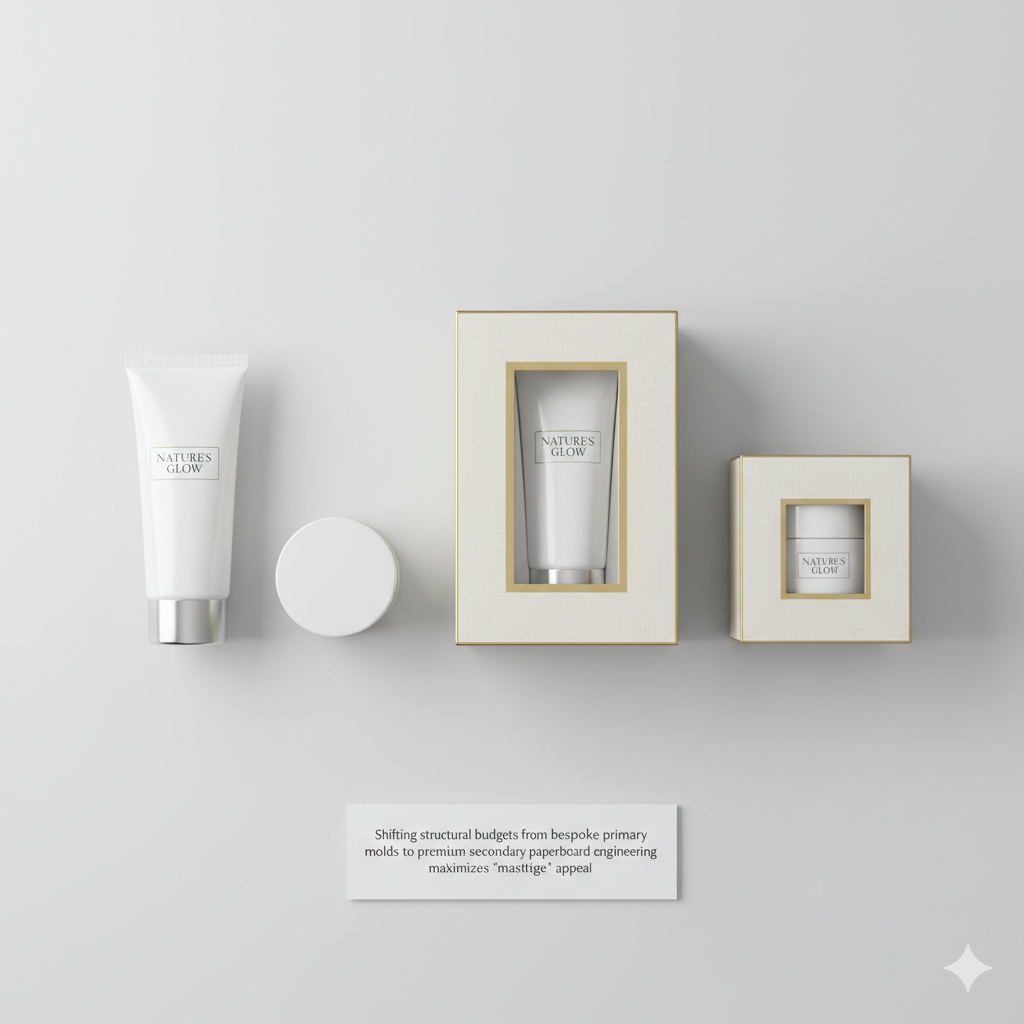
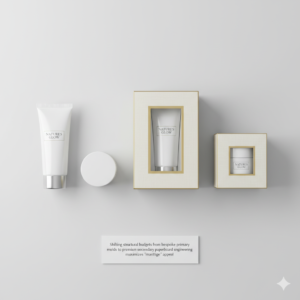
Experienced packaging buyers immediately kill these vanity projects. They opt for standardized, heavily tested primary containers—ensuring chemical compatibility and leak prevention—and shift their budget heavily into the secondary packaging. Executing a flawless, high-gsm structural design using custom rigid setup boxes for a holiday lip kit provides the necessary "unboxing" prestige for social media, without compromising the tight margins required to compete against aggressive local and C-beauty brands. You buy the standard airtight primary component to protect the formula, and you engineer the paperboard secondary to sell the dream.
Form Factor Friction in High-Mobility Environments
Look at the actual transit habits of your target demographic. The average Vietnamese beauty consumer commutes via motorbike. Cosmetics are thrown loosely into oversized totes or cramped under-seat compartments, subjected to intense high-frequency vibrations and extreme heat fluctuations that routinely exceed 40°C (104°F).
Bulky, ornate geometric designs fail spectacularly here. Consumers prioritize one-handed operation, extreme portability, and absolute leak-proof integrity. If your liquid blush utilizes a standard dropper instead of a secure twist-and-lock pump, or your lip tint lacks a controlled-dispense click-pen mechanism, you are inviting catastrophic user frustration. The shift towards multi-use, highly portable formats—like dual-ended stick formulations and ultra-slim rotating eyeshadow palettes—is not just a stylistic preference; it is a functional requirement dictated by the commute.
The tactile sensation of these components matters immensely. The definitive, sharp acoustic "click" of a magnetic closure or a perfectly toleranced snap-fit communicates safety and premium engineering. Conversely, the grinding friction of a misaligned hinge on a pressed powder compact signals cheapness instantly, regardless of the formula's quality.
Achieving this precision locally means ending the reliance on lowest-bidder procurement. It requires partnering with vendors who operate with stringent die-cutting tolerances and automated assembly workflows to ensure every single unit—from the outer carton to the inner protective fitment—aligns flawlessly. If microscopic paperboard dust from a poorly punched insert contaminates a lip gloss wand during transit, the consumer will blame your formula for feeling gritty, not your packaging.
The CMF (Color, Materials, Finish) Death Zone
Surface treatment in Southeast Asia is an engineering minefield. The prevailing "clean girl" and minimalist Korean aesthetics demand stark white or muted pastel matte surfaces. In Vietnam's climate, applying a standard UV matte coating to these designs is a critical failure.
Standard matte finishes are highly porous. In a high-humidity environment, combined with the inevitable transfer of heavy sunscreens and sebum from the user's hands, these packages degrade rapidly. They attract dirt, absorb oils, and scratch easily during chaotic daily transit. A minimalist white compact looks pristine in the factory; after three days in a makeup bag in Da Nang, it looks unhygienic.
Engineering teams must specify climate-appropriate treatments. Anti-scuff laminations utilizing BOPP (Biaxially Oriented Polypropylene) films, specialized hard-coats, or textured substrates that naturally hide wear and tear are non-negotiable.
Let us examine the actual operational costs associated with these CMF decisions:
| Packaging Strategy | Execution Reality | Risk Factor | True Cost Implications (per 10k units) |
|---|---|---|---|
| Soft-Touch Matte (Global Standard) | Standard PU spray coating on ABS plastic | Critical (Chemical degradation in humidity, massive oil absorption) | $1,200 baseline + 30% hidden cost in customer returns and brand damage |
| Anti-Scuff Laminate (Localized) | BOPP thermal film with advanced hardcoat resin | Low (Resists scratching, aggressively repels moisture and sebum) | $1,500 baseline (Pays for itself by eliminating return friction) |
| Bespoke Asymmetrical Mold | Custom injection tooling requiring multi-axis machining | High (Severe lead time delays, high minimum order quantities, assembly alignment issues) | $8,000 tooling + $0.60 per unit |
| Agile Premium Secondary | Stock primary tube paired with precision tube boxes featuring spot UV | Minimal (Rapid deployment, high perceived value, protects primary during e-commerce shipping) | $0.20 per unit + zero primary tooling cost |
E-commerce Survival: The Shopee and Lazada Gauntlet
Retail shelf presence is becoming secondary. The true battleground for cosmetic brands in Vietnam is e-commerce, dominated by platforms like Shopee, Lazada, and TikTok Shop. This shift completely alters the packaging engineering requirements.
When a consumer orders a delicate pressed powder or an intricate liquid liner online, it does not arrive in a heavily padded, beautifully branded shipper box. It arrives in a crumpled polymailer, having survived a brutal logistics chain involving multiple sorting center drops, reckless courier handling, and exposure to monsoon rains.
If your primary focus is solely on the visual design of the primary container, you will face devastating return rates due to transit damage. Crushed corners, shattered mirrors, and leaked emulsions destroy the consumer experience before the product is even tested. The structural integrity of the secondary packaging must act as a shock-absorber. Incorporating clever folding structures, precise internal crash-locks, and utilizing high-density corrugated or thick greyboard inserts is mandatory. The design must look minimalist on the outside but function like a vault on the inside.
Stop Blurring the Generational Demographics
A lazy, persistent error in Vietnam market entry strategies is treating all under-35 consumers as a single, homogenous aesthetic block. The visual languages required to trigger a purchase differ violently between cohorts, a nuance frequently highlighted in Mintel's APAC Beauty & Personal Care trend analyses.
Gen-Z (18-24) leans aggressively into hyper-portability and digital-first visual cues. They prioritize translucent, lightweight plastics, vibrant but minimalist typography, and dual-purpose formats. They want packaging that catches the harsh ring light of a TikTok review. Matte finishes often look dead on camera; high-gloss or semi-translucent materials that play with light are vastly superior for this demographic. They value the speed of application and the "toy-like" tactile engagement of the packaging.
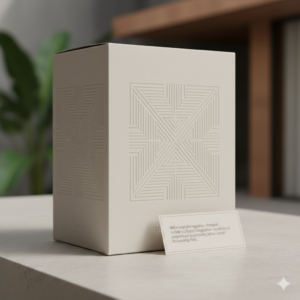
Millennials (25-34), conversely, index much higher on professional elegance and sustained brand loyalty. They expect the packaging to look respectable and subtle when pulled out on an office desk or at a business lunch. Pushing a neon, holographic foil carton to a 30-year-old mid-level manager in Hanoi will result in instant alienation. The aesthetic for this group must reflect an elevated, subtle integration of local cultural motifs. Think deeply embossed textures inspired by traditional Vietnamese textiles on a neutral, heavy-weight paperboard, rather than loud, literal, tourist-trap interpretations of culture.
The strategy is clear: hyper-functional, durable primary packaging wrapped in highly agile, structurally reinforced secondary paper packaging. Anything less is just waiting to fail in the heat.
Forensic Q&A: The Crucial Engineering Truths of Vietnam Cosmetics Packaging
Why do "leak-proof" global designs frequently fail when shipped domestically within Vietnam?
Global standard atmospheric testing often accounts for standard commercial air freight, not the sustained micro-vibrations and localized pressure changes of being strapped to the back of a delivery scooter for 6 hours in 42°C heat. The viscosity of local formulations often drops significantly under these temperatures, allowing liquids to bypass standard wiper-rings or poorly toleranced threaded caps. You must specify secondary induction seals or engineered interference fits specifically rated for high-temperature/high-vibration transit.
Where is the hidden trap in adopting trendy "eco-friendly" molded pulp packaging for makeup palettes?
Moisture absorption and dimensional instability. Uncoated molded pulp acts like a sponge in Vietnam's monsoon season. Even if it survives shipping, the moisture absorbed by the packaging will transfer to the pressed powder formula inside, causing it to hard-pan, crack, or grow mold. If you specify pulp or kraft materials, they must be heavily treated with moisture-barrier coatings, which often negates their recyclability claim entirely.
What is the true operational lifespan of a "magnetic closure" lipstick tube in the local market?
Far less than the data sheet claims if you use standard NdFeB magnets without proper encapsulation. In high-humidity coastal cities like Da Nang, standard magnets will oxidize and rust within months, expanding in size and eventually cracking the plastic casing from the inside out. To survive the local environment, magnets must be hermetically sealed within the injection-molded housing or heavily plated with anti-corrosive treatments, driving up the BOM (Bill of Materials) cost significantly.
Why are matte-finish glass foundations bottles a disaster for social commerce?
Weight and optical degradation. Glass shatters in the chaotic last-mile delivery network unless aggressively protected, spiking shipping weights and costs. More critically, the frosted/matte treatment on glass absorbs foundation residue from the user's hands perfectly. Within a week of use, the bottle is covered in permanent, uneven, skin-toned smudges that cannot be wiped clean. When the user inevitably posts a "bottom of the bottle" review on TikTok, your product looks filthy and unappealing.
Is localizing the packaging design just about adding Vietnamese text?
No. Slapping translated text onto a global template signals a cheap afterthought. True localization involves CMF (Color, Materials, Finish) choices that respect local lighting and climate, form factors that fit local handbags, and structural engineering that survives local logistics. If your packaging strategy doesn't account for the fact that your customer is touching it with hands layered in SPF 50 while sitting in 80% humidity, you haven't localized anything.