
The Engineering Reality of Regional Packaging: Why One Design Fails Three Markets
The container arrived at the Hamburg distribution center, and the report was immediate: 14% of the luxury rigid boxes suffered from delamination. In a separate instance, a batch of "minimalist" mailer boxes landed in a Chicago fulfillment center, only to have the warehouse team reject them because the footprint didn't fit the standard automated conveyor sorting tray.
These are not design choices; they are expensive operational failures. For cross-border brands, the delusion that a singular packaging aesthetic can serve the diverse expectations of Northern Europe, Western Europe, and the US is a recipe for high return rates and eroded brand equity. Packaging is not just a carrier; it is an entry visa into a specific consumer culture.
The Nordic Aesthetic: The Violence of Minimalism
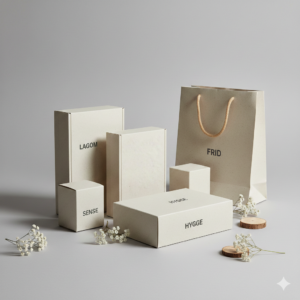
In Northern Europe, "Luxury" is not defined by decoration, but by the absence of it. Designers here treat whitespace like a precious material. If you attempt to use heavy spot UV or intricate debossing, you aren't creating value; you are creating noise.
The Engineering Reality:
The Nordic preference for natural, high-fiber, tactile substrates requires a shift in technical specifications. When you source paper packaging, you must account for the moisture content in the paper. In the dry, cold climate of Scandinavia, high-GSM boards can become brittle. Using rigid, recycled fibers often results in corner cracking during assembly if the scoring depth isn't precisely calibrated to the humidity-controlled factory floor—much like the subtle, rhythmic hum of a properly tensioned die-cutting press.
- The Hidden Cost: Using standard gloss lamination on Nordic-targeted packaging is an immediate disqualifier. The "plastic sheen" creates a disconnect with the region’s sustainability ethos.
- Engineering Fix: Opt for special shape boxes that rely on structural geometric integrity rather than printed graphics. A perfect, sharp-edge square paper box with a matte, uncoated finish conveys more premium status in Stockholm than a gold-foiled luxury box ever could.
Western Europe: The Architecture of Heritage
Move the supply chain to Paris, Milan, or London, and the rules flip. Here, the box is an extension of the product’s legacy. We are talking about rigid setup boxes that demand a tactile "weight" in the hand—a sense of substance that signals value.
The Aesthetic Trap:
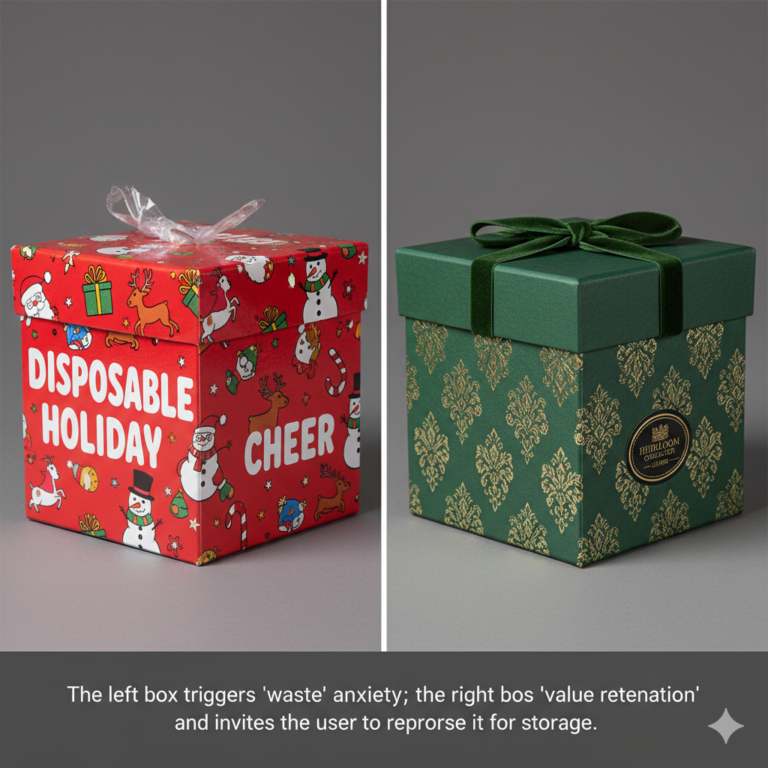
Many brands mistake Western European "Luxury" for "Complexity." They over-decorate. However, the true luxury here is rooted in symmetry and material excellence. This is where book-style boxes thrive. The magnetic closure provides that satisfying, weighted "click"—an auditory hallmark that resonates like the precision of a high-end mechanical watch.
Cultural Risk Factors:
- The Symbolism Audit: Using white lilies in a design for French or Italian markets? You’ve just associated your product with funerals. Using purple in Italy? It’s often linked to bad luck or mourning.
- Production Rigor: For Western European markets, die-cutting tolerances must be absolute. Any misalignment in a hinge or a magnet gap is seen as a manufacturing defect. According to standards set by ISO 2206:1987 regarding packaging, precision in structural assembly is critical to maintaining the perceived value of high-end consumer goods.

The US Market: Utility as a Design Language
In the United States, the packaging is the primary salesperson. The "Shelf Presence" is everything. If the package doesn’t communicate the product's function within three seconds of visual scanning, the consumer moves on.
The Pragmatic Shift:
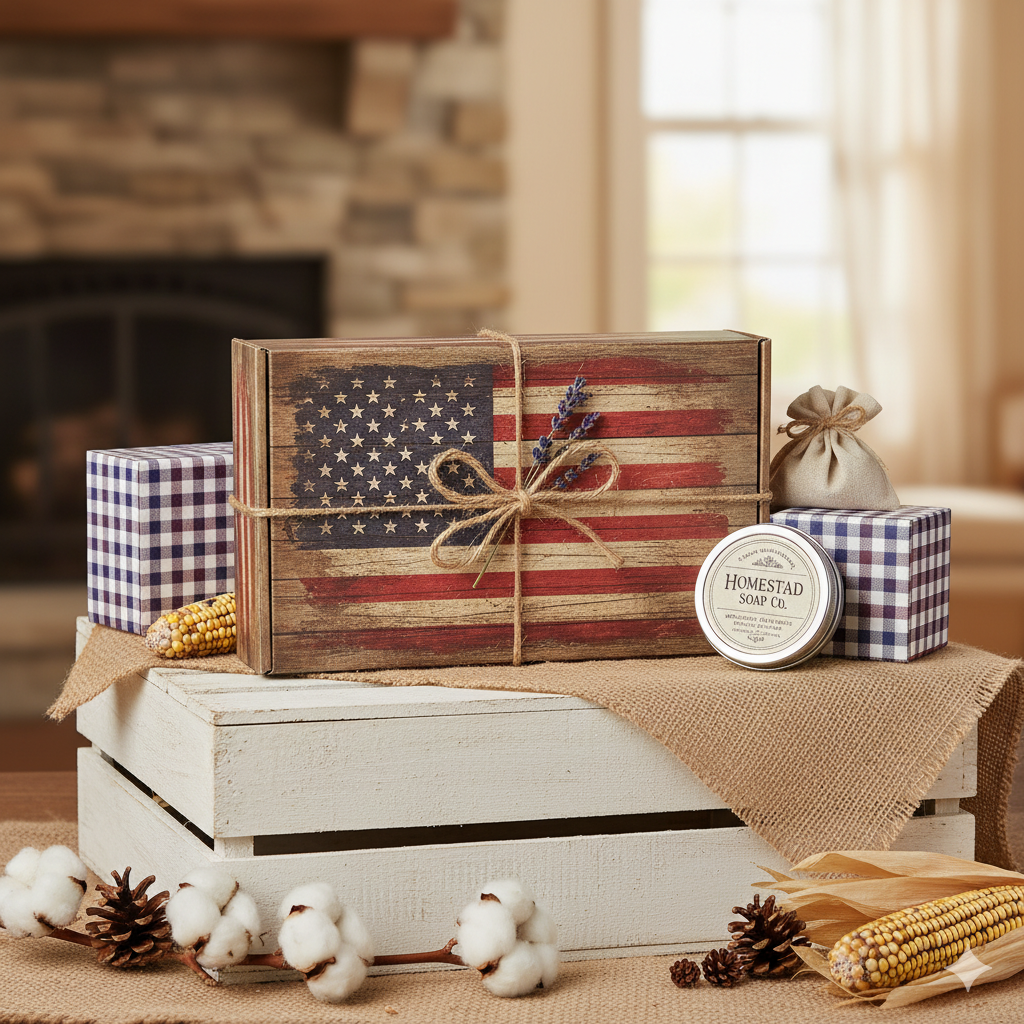
American design favors bold, high-contrast, and functional utility. This is the realm of the mailer box and tuck-top boxes. The design priority is not just "looking good"; it is "surviving the last mile."
The Hidden Cost of US Logistics:
US shipping infrastructure is brutal. A box designed for a controlled boutique environment in Paris will likely fail a US drop-test. If you are shipping electronics or cosmetics, your storage boxes or product cartons must incorporate internal structural supports that account for the chaotic nature of last-mile delivery—crush-proof edges are not optional; they are a requirement. Reference the ASTM D4169-22 standards to understand why basic box integrity often fails during standard US parcel shipping.
Comparison of Regional Packaging Requirements
| Region | Primary Aesthetic | Preferred Process | Structural Priority | True Cost Driver |
|---|---|---|---|---|
| Nordic | Raw / Minimal | Uncoated / Emboss | Geometric Sharpness | Sustainability Compliance |
| W. Europe | Ornate / Heritage | Foil / Spot UV | Hinge Precision | Material Tactility |
| US | High-Contrast | Digital Print / UV | Drop-Test Integrity | Shipping Efficiency |
Forensic Q&A: The Brutal Truths
Q: Why does my "luxury" packaging always fail the cross-border transit test?
A: You are likely choosing aesthetics over physics. In international shipping, the "crush factor" is highest at the corners. If you are using rigid boxes, the glue must be fully cured before shipping. If the factory rushes the drying process to hit a lead time, the structure weakens, leading to the "collapsing corner" syndrome. We ensure service and risk control by integrating structural testing early in the prototype phase.
Q: Is it really necessary to have a different design for the US and Europe?
A: Yes. In the US, the packaging is a tactical tool—it needs to stand out on a shelf or look "Instagrammable" in an unboxing video. In Europe, especially the luxury sector, the packaging is an invitation. If you use American-style bold, neon graphics on a product intended for a high-end French boutique, you will be ignored.
Q: How do I avoid the "plastic look" in premium packaging?
A: Avoid standard BOPP (Biaxially-oriented polypropylene) laminations. Instead, explore specialized, tactile coatings that mimic the feel of raw fiber or fine silk. Experienced engineers at LJX Packaging often recommend using higher-density board and specific textured finishes that don't rely on synthetic films to achieve durability.